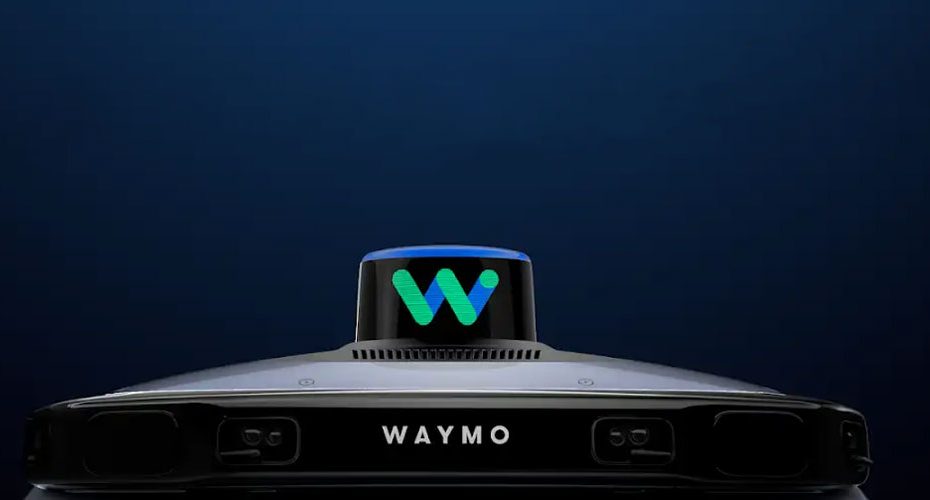
Waymo has officially started fully autonomous operations using its 6th generation Waymo Driver, marking a major technical milestone in the commercialization of self driving mobility. The system becomes the core platform for the company’s next phase of expansion, designed to scale across multiple vehicle types while reducing hardware costs and maintaining strict safety performance targets.
According to Waymo engineering leadership, the new Driver builds on more than seven years of operational data collected from nearly 200 million fully autonomous miles driven across dense urban centers, highways, and mixed traffic environments in more than ten major cities.
The 6th generation platform is not simply an incremental upgrade. It represents a shift toward a more cost efficient, modular, and scalable autonomous driving architecture intended for high volume deployment.
Advanced Multi Sensor Perception System Enables Safer Autonomous Navigation
At the core of the 6th generation Driver is an integrated multi modal sensing stack that combines high resolution cameras, lidar, imaging radar, and external audio detection systems. This sensor fusion approach is critical for handling rare edge cases that occur during large scale real world operations.
High Resolution Vision System
The new Driver uses next generation 17 megapixel automotive cameras, which deliver significantly higher resolution compared to typical vehicle grade cameras while maintaining cost parity.
Key confirmed characteristics include:
- Higher dynamic range for visibility in glare and deep shadows.
- Improved low light sensitivity.
- Reduced number of required cameras due to higher resolution sensors.
- Integrated cleaning systems to maintain sensor visibility in rain, dirt, and ice.
- Processing acceleration through Waymo custom silicon chips.
Waymo states the new vision system provides performance that exceeds previous generation hardware while using less than half the number of cameras.
Next Generation Lidar Improves Long Range Detection and Weather Performance
The 6th generation lidar system has been redesigned to increase detection range, improve data fidelity, and lower manufacturing costs.
Technical capabilities confirmed by Waymo include:
- Enhanced long distance object detection.
- Centimeter level range accuracy for urban navigation.
- Improved penetration through rain, snow, and road spray.
- Reduced point cloud distortion near reflective surfaces.
- Strategic placement of short range lidar units for redundant perception.
These improvements are supported by custom designed optical components and proprietary processing hardware.
Imaging Radar Expands Reliability in Severe Weather Conditions
Waymo’s next generation imaging radar adds dense temporal mapping capabilities that allow the system to track object speed, size, and trajectory in real time.
Confirmed upgrades include:
- Improved performance in snow and heavy rain.
- Higher sensitivity radar chipsets.
- Machine learning based signal processing.
- Dynamic optimization through sensor fusion algorithms.
Radar remains a critical redundancy layer when visual sensors experience degraded conditions.
External Audio Detection Adds Situational Awareness Beyond Visual Sensors
The Waymo Driver also includes external audio receivers positioned around the vehicle to detect emergency sirens and railway warning signals.
These systems can:
- Identify direction of approaching emergency vehicles.
- Operate effectively at highway speeds.
- Provide early warning before visual detection occurs.
This audio perception capability supports safer decision making in complex urban environments.
Platform Agnostic Design Enables Multi Vehicle Integration
Waymo designed the 6th generation Driver as a universal autonomous system rather than a vehicle specific solution. The platform can be adapted across different vehicle architectures including purpose built robotaxis and partner OEM passenger vehicles.
The system is already being integrated into platforms such as:
- Waymo Ojai autonomous vehicle platform.
- Hyundai IONIQ 5 based robotaxi configurations.
This flexibility supports Waymo’s goal of scaling production to tens of thousands of units annually through its autonomous vehicle manufacturing facility in Metro Phoenix.
About Waymo Technology
Waymo is a subsidiary of Alphabet Inc. and is widely recognized as the global leader in commercial autonomous driving deployment.
Key company figures include:
- Founded in 2009 as the Google Self Driving Car Project.
- Rebranded as Waymo in 2016.
- Over 20 billion simulated driving miles completed.
- Nearly 200 million real world autonomous miles driven.
- Autonomous ride hailing services operating in multiple US cities including Phoenix, San Francisco, and Los Angeles.
Waymo remains the only company currently operating a fully driverless commercial ride hailing service at scale.
Source: waymo.com