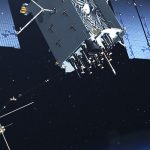
The U.S. Space Force, in partnership with Lockheed Martin, has successfully launched the GPS III Space Vehicle 10 on April 21 from Cape Canaveral Space Force Station. The mission marks the final satellite in the GPS III series and pushes the operational constellation to its largest size to date.
Signal acquisition was confirmed shortly after liftoff, with early orbit operations now managed through Lockheed Martin’s control facilities in Denver. The satellite will undergo a commissioning phase before being formally integrated into the active navigation network.
GPS III SV10 Technical Upgrades Improve Accuracy, Anti Jamming, and Signal Integrity
The GPS III platform represents a substantial upgrade over previous GPS generations. While exact performance figures remain classified in some areas, several improvements are well established across the series:
- Higher positioning accuracy through enhanced signal structure and improved onboard timing.
- Increased resistance to electronic interference and jamming.
- Introduction of M code, a secure military signal with anti spoofing capabilities.
- Compatibility with modernized civil signals such as L1C, designed for interoperability with other GNSS systems.
SV10 continues this architecture while also serving as a technology pathfinder. One of its most notable payloads is an optical crosslink demonstration, aimed at enabling direct satellite to satellite communication. If fully operationalized in future systems, this could reduce reliance on ground control segments and improve resilience in contested environments.
Atomic Clock Advancements Strengthen Timing Precision for Global PNT Services
A critical component onboard SV10 is a next generation digital rubidium atomic frequency standard. GPS satellites rely on ultra precise clocks to calculate positioning through time of flight measurements. Even nanosecond level deviations can translate into meter level positioning errors on the ground.
The updated clock design is expected to deliver improved long term stability and reduced drift compared to earlier analog systems. This directly supports more accurate positioning, navigation, and timing services across military, infrastructure, and commercial applications.
Accelerated Launch Cadence Signals Strategic Priority for GNSS Infrastructure
The SV10 mission represents the fourth consecutive GPS launch completed on an accelerated timeline. This reflects a broader strategic push to modernize the constellation faster in response to growing dependence on GNSS across sectors such as precision agriculture, autonomous systems, telecommunications, and defense.
With more than 30 operational satellites already in orbit, the GPS system provides continuous global coverage. Expanding and upgrading the constellation improves redundancy and ensures signal availability even under challenging conditions.
Transition to GPS IIIF Will Introduce Regional Protection and Expanded Capabilities
With the GPS III series now complete, focus shifts toward the next generation GPS IIIF satellites. These are expected to introduce further enhancements, including Regional Military Protection, which will allow targeted strengthening of signals in specific geographic areas.
Additional upgrades are likely to include higher power transmission, improved anti jamming performance, and expanded mission flexibility. Together, these developments point toward a more adaptive and resilient global navigation infrastructure.
About Lockheed Martin
Lockheed Martin is one of the world’s largest defense and aerospace companies, headquartered in Bethesda, Maryland. The company reported annual revenues exceeding $65 billion and employs approximately 120,000 people globally. Lockheed Martin has been the prime contractor for multiple generations of GPS satellites, playing a central role in the evolution of global positioning infrastructure used by billions of users worldwide.