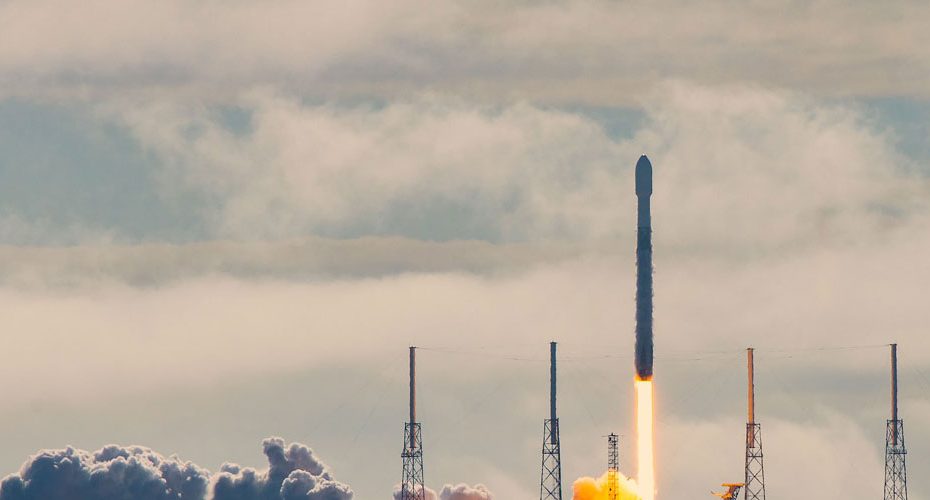
SpaceX is preparing to launch another classified U.S. national security mission today from Vandenberg Space Force Base as part of the expanding orbital surveillance architecture being built for the National Reconnaissance Office.
The mission, designated NROL 172, is scheduled to lift off aboard a Falcon 9 rocket from Space Launch Complex 4 East during a launch window running from 3:28 p.m. to 7:28 p.m. local time. A backup launch opportunity remains available for May 12 if weather or technical conditions delay the mission.
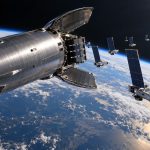
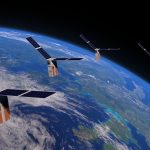
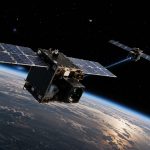
While payload details remain classified, the launch is understood to support the NRO’s growing “proliferated architecture” strategy. Instead of relying on a small number of extremely expensive reconnaissance satellites, the agency is increasingly deploying larger constellations of smaller spacecraft operating in low Earth orbit.
This approach is designed to improve survivability, revisit frequency, and operational resilience. In practical terms, it allows U.S. intelligence systems to monitor locations more frequently while reducing vulnerability to single point failures or anti satellite threats.
Proliferated Satellite Strategy Expands
NROL 172 reportedly represents the 13th deployment tied to this next generation reconnaissance architecture. The broader strategy reflects a major shift happening across military space operations worldwide.
Traditional intelligence satellites have historically focused on a handful of highly capable platforms operating in predictable orbits. Modern military planners are now moving toward distributed constellations capable of maintaining persistent coverage even if individual satellites fail or are disabled.
This transition mirrors trends already seen in commercial space networks, particularly with large scale low Earth orbit deployments.
From a technical and strategic perspective, the mission is another example of how the line between commercial launch providers and national security infrastructure continues to blur. SpaceX has effectively become a critical component of U.S. military space access due to its launch cadence, reusable rocket economics, and rapid turnaround capabilities.
Falcon 9 Reusability Continues
The Falcon 9 first stage assigned to the mission has already flown once previously on a Starlink launch, continuing SpaceX’s routine use of reusable boosters even for sensitive intelligence missions.
After stage separation, the booster is expected to land aboard the autonomous droneship “Of Course I Still Love You” positioned in the Pacific Ocean.
The normalization of booster recovery operations for classified missions highlights how reusable launch systems have transitioned from experimental concepts into standard operational infrastructure.
Residents across parts of California’s central coast, including Santa Barbara, Ventura, and San Luis Obispo counties, could hear sonic booms during the return sequence depending on atmospheric conditions.
Why This Mission Matters
The NROL 172 launch is important not simply because of the classified payload itself, but because it demonstrates the accelerating militarization and operationalization of low Earth orbit.
The U.S. intelligence community increasingly appears focused on building satellite networks that function more like resilient digital infrastructure rather than isolated strategic assets. Smaller distributed spacecraft provide flexibility, redundancy, and far faster deployment cycles compared to legacy reconnaissance systems.
At the same time, missions like this reinforce how dominant SpaceX has become within the global launch market. A decade ago, reusable rockets supporting high tempo intelligence launches sounded experimental. Today, they are becoming routine.
About SpaceX
Founded in 2002 by Elon Musk, SpaceX has grown into the world’s most active orbital launch provider. The company operates the Falcon 9, Falcon Heavy, and Starship programs while also deploying the rapidly expanding Starlink satellite internet constellation.
Falcon 9 has now completed hundreds of launches with a very high mission success rate, while reusable boosters have dramatically reduced launch costs across both commercial and government markets. SpaceX currently handles a significant portion of U.S. national security launches alongside NASA crewed missions, commercial satellite deployments, and global broadband expansion through Starlink.