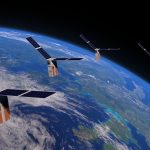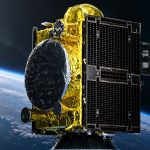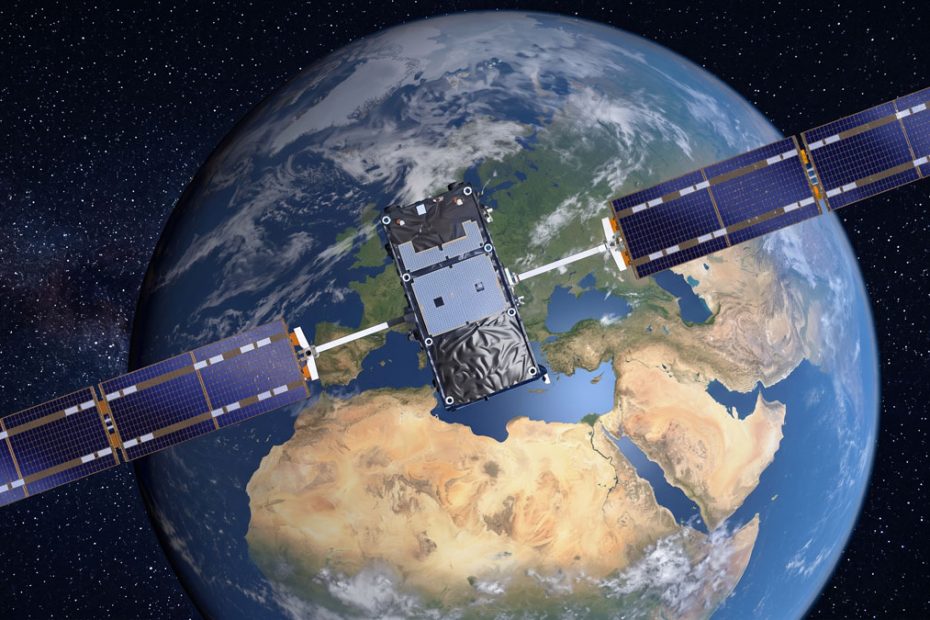
Europe’s satellite navigation system has officially added two more members to its fleet, and the timing couldn’t be better for a program that’s been quietly building toward full independence from other global positioning networks. SAT 33 and SAT 34 launched together on December 17 and have now completed the long road from liftoff to operational status, with SAT 34 receiving final clearance on July 23, 2026.
What stands out here isn’t just the addition of two satellites. It’s how they got there. The Ariane 6 rocket delivered what mission teams are calling the most accurate orbital insertion in Galileo’s history. That’s a meaningful milestone for a European launcher trying to prove itself after years of reliance on other providers, including a Falcon 9 launch in Galileo’s own history. Galileo now holds the distinction of being the only navigation program to have launched satellites of identical mass to the same orbit using four different rockets: Soyuz, Ariane 5, Falcon 9, and now Ariane 6.
Seven Months from Launch to Live Signal
The path from liftoff to full service wasn’t instant, and that’s worth understanding if you’re following space infrastructure closely. After separation about four hours post launch, ground teams at the Galileo Control Centre in Germany spent roughly a week on early operations, checking subsystems, orienting the satellites toward Earth, and drifting them into their assigned slots nearly 23,222 km above the planet.
From there, the satellites transmitted their first navigation signal to ESA’s testing station in Redu, Belgium, kicking off months of payload testing covering atomic clocks, transponders, and security functions. SAT 33 got its official green light in May 2026, with SAT 34 following two months later.
Why This Launch Matters More Than It Looks
The real story isn’t the two satellites themselves, it’s what they represent for European strategic autonomy. Galileo has spent years positioned as a redundancy layer next to GPS and GLONASS, but every successful Ariane 6 launch chips away at Europe’s dependency on non European rockets for critical infrastructure. That matters a lot more now than it did five years ago, given how geopolitically sensitive space access has become.
I’d also flag the precision claim as more than PR language. Orbital insertion accuracy directly affects how much fuel a satellite burns correcting its position over its operational life, which means a cleaner insertion can meaningfully extend a satellite’s usable lifespan. If Ariane 6 keeps this up, it becomes a real selling point for future ESA missions, not just a nice footnote.
With four more Galileo First Generation satellites still to launch before year end, this program is entering its final buildout phase, and that’s genuinely exciting for anyone tracking global GNSS competition.
About Galileo
Galileo is the European Union’s global satellite navigation system, developed and operated under the EU Space Programme with EUSPA managing operations and ESA handling technical design and testing. The system now serves billions of users worldwide, offering positioning accuracy that rivals and in some civilian applications exceeds GPS. With SAT 33 and SAT 34 now active, Galileo’s constellation continues expanding toward full First Generation completion, with the remaining four satellites scheduled for launch by the end of 2026. The program has used four separate launch vehicles across its history, a feat unmatched by any other satellite navigation system in the world.